
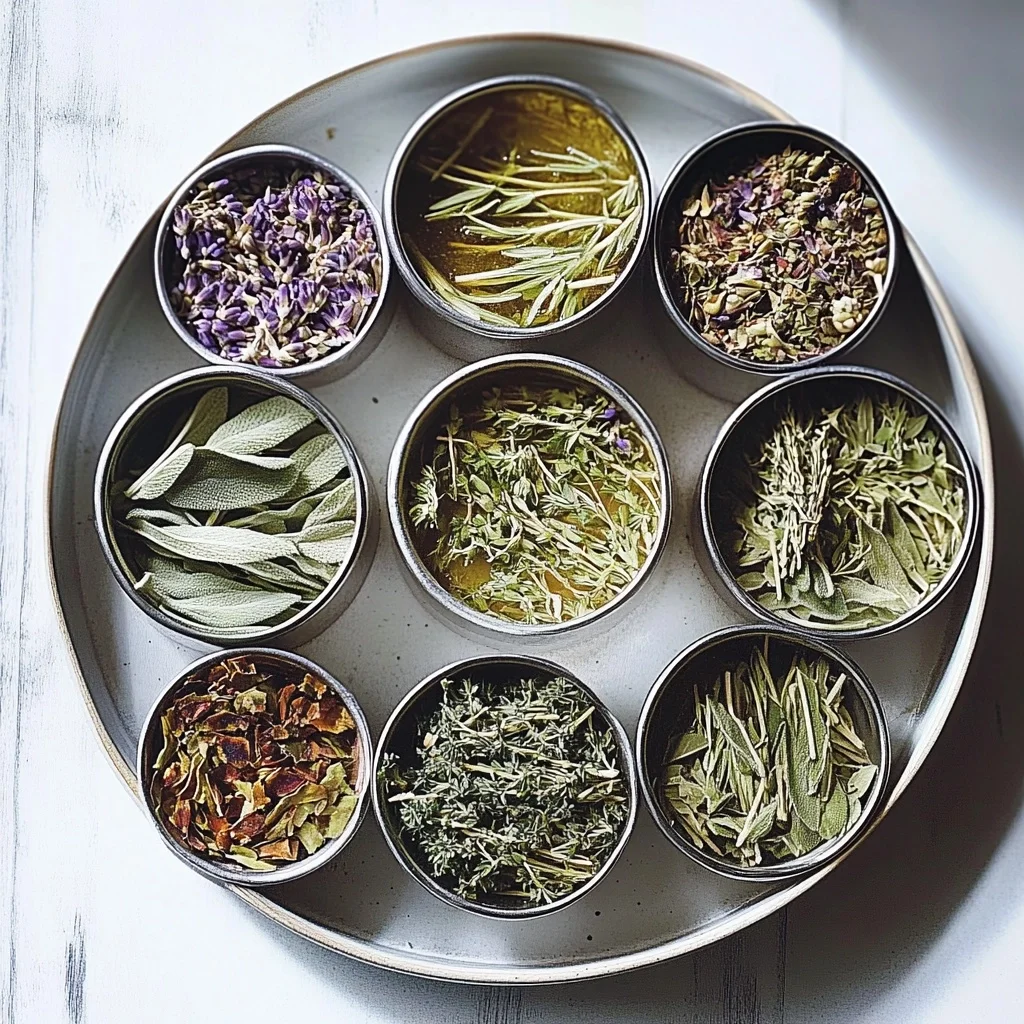
The enchanting aroma of sun-drenched basil and the vibrant green hue of freshly picked thyme can transform any dish into a culinary masterpiece. Imagine the moment you open your spice cabinet, releasing a wave of fragrant memories that whisk you back to summer days spent in the garden, where every leaf danced in the warm breeze, just waiting to be dried and preserved for flavorful feasts all year long.
Drying herbs is not just a practical method to capture their essence; it’s a delightful ritual that invites stories and laughter into your kitchen. Whether you’re preparing for a cozy dinner party or simply wanting to elevate your weekday meals, this simple technique promises an explosion of flavor that will have your taste buds singing. The anticipation of sprinkling those dried wonders onto your favorite dishes is almost as satisfying as the first bite itself!
Why Does Everyone Love drying herbs?
Preserving the vibrant flavors of your favorite herbs has never been easier! Basil, with its sweet, aromatic notes, adds depth to any dish. Thyme brings a warm, earthy essence that’s perfect for roasts and stews. Oregano offers a zesty kick that enhances sauces, while Rosemary provides an unmistakable fragrance that elevates meats and veggies. Best of all, this simple technique saves time and money, letting you enjoy fresh taste year-round!
drying herbs Ingredients
- For the Basil
1 bunch Basil – This aromatic herb is perfect for adding a burst of flavor to your dishes and is great for drying herbs to use later.
- For the Thyme
1 bunch Thyme – Known for its earthy taste, thyme retains its robust flavor beautifully when dried, making it a staple in many cuisines.
- For the Oregano
1 bunch Oregano – With its pungent and slightly bitter profile, oregano is ideal for seasoning tomato-based dishes and stands up well when dried.
- For the Rosemary
1 bunch Rosemary – This fragrant herb has a strong aroma and flavor that can elevate any dish, and drying herbs like rosemary enhances its potency.
How to Make drying herbs

1. Preheat the oven to the lowest setting (around 170°F or 75°C). This gentle heat will help preserve the vibrant flavors of your fresh herbs, like Basil and Oregano.
2. Rinse the fresh herbs under cool water to remove any dirt or insects. Gently swish them in the water, ensuring your bunches of Thyme and Rosemary come out clean and fresh.
3. Pat the herbs dry with a clean towel or paper towel. This step is crucial—moisture can hinder the drying process, so you want those herbs ready for their time in the oven!
4. Remove the leaves from the stems and spread them evenly on a baking sheet lined with parchment paper. Keep your Basil, Oregano, and other herbs well-separated to ensure even drying.
5. Place the baking sheet in the preheated oven or dehydrator. The low heat will slowly extract moisture while keeping those delightful herb aromas intact.
6. Dry the herbs for 1-4 hours, checking every 30 minutes until they are completely dry and crumbly. You’ll know they’re ready when they feel brittle and crumble easily between your fingers.
7. Remove from the oven once dried and let cool. This cooling period allows flavors to settle into their concentrated form before storage.
8. Crush the dried herbs if desired and store them in glass jars with tight-fitting lids. Your Basil, Thyme, Oregano, or Rosemary will keep their flavor sealed away for future culinary adventures!
9. Label the jars with the herb name and date of drying. A little organization goes a long way in keeping your kitchen herb collection tidy and ready for use!
Optional: Store in a cool, dark place for maximum freshness.
Exact quantities are listed in the recipe card below.
Expert Tips
- Choose Fresh Herbs: Select vibrant, unblemished herbs for drying; wilted or damaged leaves won’t preserve well and can affect flavor.
- Dry Thoroughly: Ensure herbs are completely dry before placing them in the oven. Excess moisture may lead to mold during storage.
- Check Regularly: Monitor your herbs every 30 minutes to avoid over-drying. They should be crumbly but not burnt when finished.
- Remove Stems: Always strip leaves from stems before drying. Stems contain moisture and can prevent proper drying of the herb leaves.
- Storage Matters: Use airtight glass jars for storage; avoid plastic containers as they can trap moisture, compromising your dried herbs’ quality.
How to Store and Freeze drying herbs
- Room Temperature: Store dried herbs in a cool, dark place in airtight containers. They can last up to 6 months while retaining their delightful flavor.
- Fridge: For fresh herbs before drying, keep basil and thyme wrapped in a slightly damp paper towel and placed in a resealable bag for up to 3 days.
- Freezer: If you have excess dried herbs, consider freezing them in ice cube trays with olive oil. This method preserves flavor for up to 1 year.
- Reheating: When using dried herbs, crush them gently before adding to dishes. This releases oils and enhances the aroma, making your meals even more delicious!
drying herbs Your Way
Feel free to get creative with your herb drying process; the possibilities are endless and delightful!
- Spicy Kick: Add a handful of crushed red pepper flakes to your drying herbs for an exciting heat. This will infuse a warm, zesty flavor that can brighten up any dish.
- Lemon Zest: Incorporate dried lemon zest while drying rosemary for a fresh, citrusy aroma. The bright notes will elevate your herbs, making them perfect for Mediterranean dishes.
- Garlic Infusion: Mix in dehydrated garlic pieces with thyme for an aromatic twist. This combo enhances savory recipes, adding depth and richness that’s simply irresistible.
- Smoky Flavor: Blend in smoked paprika with oregano before drying to achieve a unique smoky taste. It’s a wonderful addition to stews and grilled meats, offering a cozy warmth.
- Herbal Medley: Combine all four herbs together in equal parts when drying for a well-rounded flavor profile. This blend is perfect for seasoning roasted vegetables or pasta dishes.
- Nutty Addition: Try mixing in some dried sage with your basil for an earthy undertone. This unexpected twist can add a comforting warmth to your favorite sauces.
- Citrus Herb Mix: Pair basil with dried orange peel during the drying process for a refreshing herbal blend. The sweet citrus notes can beautifully complement seafood or salads.
Make Ahead Options

When it comes to meal prep, drying herbs is a fantastic way to preserve the vibrant flavors of your favorite fresh herbs while saving time in the kitchen. You can prep your basil, thyme, oregano, and rosemary up to 3 days in advance. Begin by rinsing and patting dry the fresh herbs as outlined in the preparation steps, then remove the leaves from the stems and spread them evenly on a baking sheet. After that, you can place them in the oven at a low setting (around 170°F or 75°C) for 1-4 hours, checking every 30 minutes until they are crumbly. Once dried, let them cool before storing in glass jars with tight-fitting lids. For optimal quality, ensure they are completely dry before sealing; this will lock in their aroma and flavor beautifully. When you’re ready to use them, simply crush and sprinkle these aromatic treasures into your dishes for an instant boost of taste!
drying herbs Questions Answered
How do I choose the best fresh herbs for drying?
When selecting herbs for drying, look for bright, vibrant leaves without any signs of wilting or browning. Fresh basil, thyme, oregano, and rosemary are excellent choices; they have robust flavors that intensify when dried. Ideally, pick herbs in the morning after the dew has evaporated but before the sun is too strong—this is when their essential oils are at their peak!
What’s the best way to store dried herbs?
Once your herbs are dried and cooled, store them in glass jars with tight-fitting lids to keep moisture out and preserve their flavor. Label each jar with the herb name and date of drying for easy identification later. Keep them in a cool, dark place like a pantry or cupboard; this helps maintain their potency longer—usually up to a year for the best flavor.
Can I freeze fresh herbs instead of drying them?
Absolutely! Freezing can be an excellent alternative if you want to preserve the fresh taste of herbs. Simply chop your fresh basil, thyme, oregano, or rosemary and place them in ice cube trays filled with water or olive oil. Once frozen solid, transfer the cubes to a zip-top bag and label them. They’ll last several months in the freezer and can be added directly to dishes while cooking.
What should I do if my dried herbs aren’t as fragrant as I expected?
If your dried herbs lack fragrance, it could mean they weren’t fully dried or were stored improperly. Ensure you dry them until they’re completely crumbly—this usually takes 1-4 hours in an oven set at around 170°F (75°C). If they still don’t seem potent enough after drying, consider crushing them gently before storage to release more aroma or using fresher herbs next time.
How much dried herb equals a fresh herb?
As a general rule of thumb, use one-third of the amount of dried herbs compared to fresh ones due to their concentrated flavor. For instance, if a recipe calls for 1 tablespoon of fresh basil, use about 1 teaspoon of dried basil instead. This ratio works well for other herbs like thyme and oregano too!
Can I dry mixed herbs together?
Yes! You can absolutely dry mixed herbs like basil, thyme, oregano, and rosemary together as long as they share similar drying times and moisture content. Just make sure they’re evenly spread on your baking sheet so they dry uniformly. Mixing them can create delightful culinary blends perfect for seasoning!
Drying Herbs
Ingredients
Method
- Preheat the oven to the lowest setting (around 170°F or 75°C).
- Rinse the fresh herbs under cool water to remove any dirt or insects.
- Pat the herbs dry with a clean towel or paper towel.
- Remove the leaves from the stems and spread them evenly on a baking sheet lined with parchment paper.
- Place the baking sheet in the preheated oven or dehydrator.
- Dry the herbs for 1-4 hours, checking every 30 minutes until they are completely dry and crumbly.
- Once dried, remove from the oven and let cool.
- Crush the dried herbs if desired and store them in glass jars with tight-fitting lids.
- Label the jars with the herb name and date of drying.