
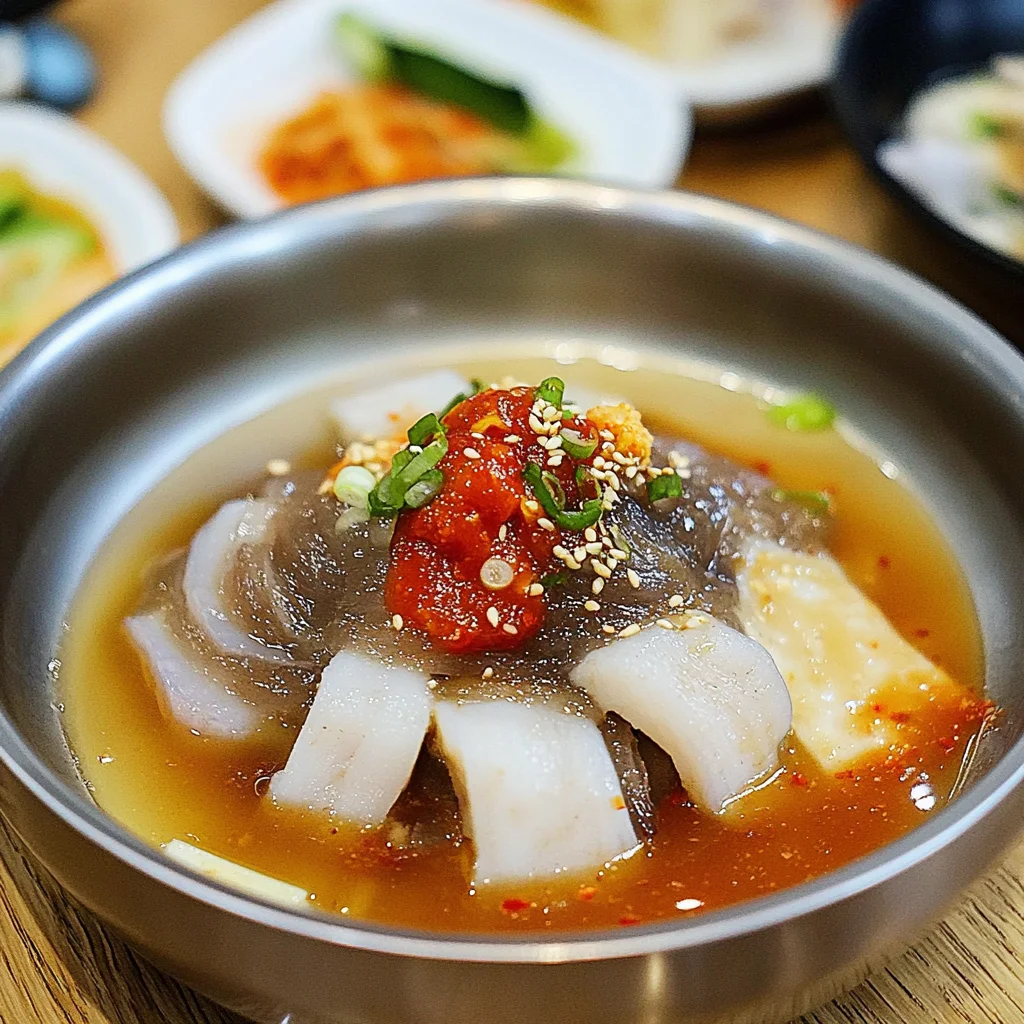
Imagine a bowl brimming with colorful vegetables, perfectly cooked rice, and a luscious fried egg perched on top, all waiting to be mixed into a harmonious explosion of flavors. The best Korean food, like bibimbap, is not just a meal; it’s an experience that tantalizes your taste buds with its savory, spicy, and slightly sweet notes while offering a delightful crunch from fresh ingredients. The rich aroma wafts through the air, inviting you to dig in and discover the symphony of textures that dance on your palate.
I still remember the first time I savored bibimbap at a bustling Korean restaurant—a vibrant mix of ingredients served alongside a fiery gochujang sauce that promised adventure in every bite. It was the perfect dish for sharing with friends after a long week, bringing us together in laughter and good humor over our attempts to master the art of mixing it all just right. Whether enjoyed on a cozy weeknight or at festive gatherings, bibimbap captivates hearts and stomachs alike, making it an unforgettable centerpiece of any meal.
Why Is best korean food So Irresistibly Good?
Vibrant flavors come alive in every bite of bibimbap, creating a delightful experience that excites your palate. Nutritious ingredients like blanched spinach, julienned carrots, and zucchini not only look stunning but also pack a healthy punch. Quick to prepare, this dish combines the simplicity of cooking rice with the ease of sautéing veggies, making it ideal for busy weeknights. Crowd-pleaser appeal means everyone can customize their bowl to suit their tastes—add extra gochujang for spice or swap out proteins as you wish! Enjoy the perfect harmony of textures and tastes that makes bibimbap the ultimate comfort food.
best korean food Ingredients
For the Rice
- 2 cups short-grain rice (washed and drained) – This type of rice is sticky and perfect for holding all the delicious toppings together.
For the Vegetables
- 1 cup spinach (blanched) – Blanching enhances its vibrant color and helps retain nutrients, making it a healthy addition.
- 1 cup carrot (julienned) – Freshly julienned carrots add a lovely crunch and natural sweetness to your bibimbap.
- 1 cup zucchini (julienned) – Zucchini’s mild flavor absorbs the dish’s spices beautifully while adding moisture.
- 1 cup shiitake mushrooms (sliced) – These earthy mushrooms bring depth and umami to the bowl.
- 1 cup bean sprouts (blanched) – Crunchy and refreshing, they provide texture and balance to the dish.
For the Protein
- 4 large eggs (fried sunny-side up) – The runny yolk adds richness, tying all the flavors together in a delightful way.
- 1 cup ground beef (cooked and seasoned) – Seasoned ground beef is traditional in bibimbap, giving it heartiness and flavor.
For the Sauce
- 4 tablespoons gochujang (Korean chili paste) – This spicy-sweet sauce is essential for that authentic bibimbap kick, making it one of the best Korean food staples.
- 2 tablespoons sesame oil – Adds a nutty aroma that enhances the overall flavor profile of the dish.
- 1 tablespoon soy sauce – A touch of this savory sauce rounds out the flavors perfectly.
- 1 teaspoon sugar – Balances out the heat from gochujang for a harmonious taste.
For the Garnish
- 2 tablespoons sesame seeds (toasted) – Toasting brings out their nutty flavor, adding an extra layer of crunch.
- 2 stalks green onions (sliced) – Fresh green onions provide a pop of color and refreshing bite to finish off your bibimbap beautifully.
How to Make best korean food
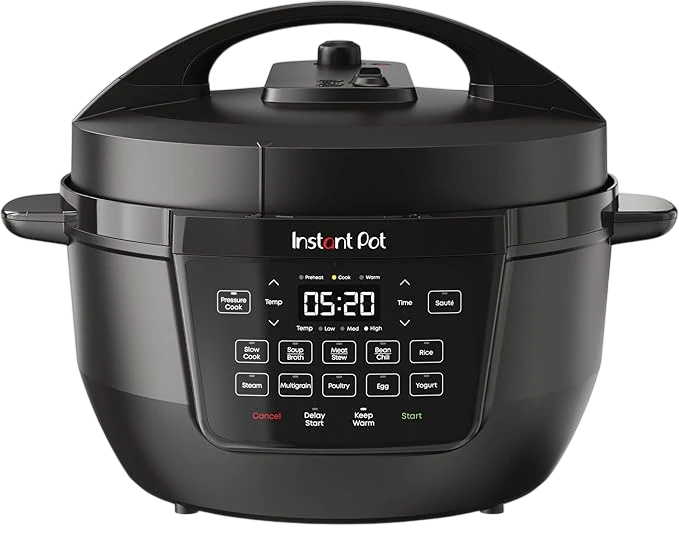
1. Cook Rice: Begin by cooking 2 cups of short-grain rice in your rice cooker according to the manufacturer’s instructions. This will create a fluffy base for your bibimbap.
2. Sauté Spinach: In a frying pan, lightly sauté 1 cup of blanched spinach with a drizzle of sesame oil until tender. Season with salt to enhance its natural flavor.
3. Sauté Carrots: Next, add 1 cup of julienned carrots to the pan and sauté them separately until they’re vibrant and slightly softened, about 3-4 minutes.
4. Sauté Zucchini: Toss in 1 cup of julienned zucchini, cooking it until it turns tender and bright green. This should take around 3-4 minutes as well.
5. Sauté Mushrooms: Slice up 1 cup of shiitake mushrooms and sauté them in the same pan until they are golden brown and fragrant, adding a lovely umami flavor.
6. Blanch Bean Sprouts: Finally, take 1 cup of bean sprouts and blanch them quickly in boiling water for about 2 minutes, then drain to keep their crunch.
7. Cook Beef: In the same pan, add 1 cup of cooked ground beef seasoned with soy sauce and sugar. Cook until browned and well combined; this adds hearty protein to your dish.
8. Fry Eggs: In a separate pan, fry 4 large eggs sunny-side up until the whites are set but the yolks remain runny—this will be a beautiful topping for your bibimbap!
9. Assemble Bibimbap: In a bowl, start with a serving of rice at the bottom. Neatly arrange the sautéed vegetables, seasoned ground beef, and top everything off with a fried egg for visual appeal.
10. Add Sauce & Garnish: Drizzle with 4 tablespoons of gochujang and sesame oil mixture, then sprinkle with toasted sesame seeds (2 tablespoons) and sliced green onions (2 stalks) for that finishing touch.
Optional: Serve immediately while everything is warm for the best flavor experience!
Exact quantities are listed in the recipe card below.
Expert Tips
- Rice Quality: Use high-quality short-grain rice for the best texture. Rinse it thoroughly to remove excess starch, ensuring fluffy grains.
- Vegetable Prep: Sauté vegetables separately to maintain their unique flavors and textures. Avoid overcrowding the pan, which can lead to steaming instead of sautéing.
- Beef Seasoning: Don’t skip seasoning the ground beef! A mix of soy sauce and sugar enhances flavor. Taste as you go to avoid overpowering it.
- Egg Cooking: For perfectly fried eggs, heat the pan over medium-low heat. This allows for a runny yolk without overcooking the whites—essential for that authentic bibimbap experience.
- Gochujang Balance: Adjust the amount of gochujang based on your spice tolerance. Start with less and add more if desired; too much can overshadow other flavors in this best korean food dish.
- Assembly Order: When assembling, layer ingredients gently. This keeps vegetables intact and allows each bite to showcase the vibrant colors and flavors beautifully.
How to Store and Freeze best korean food
- Fridge: Store any leftover bibimbap components in airtight containers for up to 3 days to maintain freshness. Keep the gochujang sauce separate until serving.
- Freezer: For longer storage, freeze cooked rice and vegetables in individual portions for up to 3 months. Thaw overnight in the fridge before reheating.
- Reheating: Reheat rice and vegetables in a microwave or on the stovetop with a splash of water to rehydrate. Fry fresh eggs just before serving for the best taste.
- Garnish Storage: Store sliced green onions and toasted sesame seeds in small containers in the fridge for up to 1 week, adding them just before serving your delicious bibimbap.
best korean food Your Way
Feel free to personalize this dish with your favorite ingredients and flavors for a truly delightful experience!
- Vegan: Swap the ground beef with sautéed tofu or tempeh, and replace eggs with avocado slices. This will keep your bibimbap colorful and nutritious, providing a creamy texture that complements the other ingredients perfectly.
- Spicy Kick: Add extra gochujang or sliced fresh chili peppers for an added punch. If you love heat, this variation will elevate your meal to a whole new level of excitement!
- Crunchy Texture: Incorporate some toasted nori strips or crispy fried onion for an extra crunch. The contrast in textures adds a delightful surprise in every bite, enhancing the overall dining experience.
- Seasonal Veggies: Use whatever fresh vegetables are in season, like asparagus or bell peppers. This keeps the dish vibrant and showcases the best produce available throughout the year.
- Protein Variety: Try swapping ground beef for grilled chicken, shrimp, or even bulgogi (marinated beef). Each protein brings its own unique flavor profile, making every bowl a new adventure.
- Gluten-Free: Use tamari instead of soy sauce to make this dish gluten-free without sacrificing flavor. Enjoy every bite knowing you’ve tailored it to fit your dietary needs seamlessly.
- Herb Infusion: Add fresh herbs like cilantro or basil to brighten up the dish. A sprinkling of these fragrant herbs can transport your bibimbap from ordinary to extraordinary!
Make Ahead Options

Bibimbap is a fantastic recipe for meal prep, allowing you to enjoy the best Korean food whenever cravings strike. You can prepare the short-grain rice ahead of time—just cook it in a rice cooker and refrigerate. The colorful vegetables, like spinach, carrots, zucchini, shiitake mushrooms, and bean sprouts, can be blanched or sautéed in advance and stored in the fridge for up to 3 days. Additionally, the ground beef can be cooked and seasoned with soy sauce and sugar beforehand. While fried eggs are best made fresh for that perfect sunny-side-up texture, you can quickly reheat them when ready to serve. To finish your bibimbap, simply assemble everything in a bowl, drizzle with gochujang and sesame oil, and sprinkle with sesame seeds and green onions. This way, you save time while enjoying all the vibrant flavors of this beloved dish!
best korean food Recipe FAQs
What type of rice is best for bibimbap?
Short-grain rice is the star of this dish! It becomes sticky when cooked, allowing it to hold together well with the other ingredients. If you can’t find short-grain rice, sushi rice is a good alternative.
Can I use different vegetables in my bibimbap?
Absolutely! Bibimbap is wonderfully versatile. While spinach, carrots, zucchini, shiitake mushrooms, and bean sprouts are traditional, you can substitute with bell peppers, broccoli, or even kimchi for an extra kick. Just remember to sauté each vegetable separately for that perfect texture!
How should I store leftovers?
If you have leftover bibimbap, store the components separately in airtight containers in the refrigerator. It will keep well for up to 2 days. Just reheat the rice and sautéed vegetables before serving again for a fresh taste.
Can I freeze bibimbap?
Yes! You can freeze the cooked rice and vegetables separately for up to 3 months. However, it’s best to avoid freezing fried eggs as they don’t reheat well. When ready to enjoy again, simply thaw in the refrigerator overnight and reheat thoroughly.
Is bibimbap suitable for a gluten-free diet?
Yes! To make your bibimbap gluten-free, simply substitute regular soy sauce with tamari or any gluten-free soy sauce alternative. Everything else in this vibrant dish is naturally gluten-free.
How many servings does this recipe yield?
This delightful bibimbap recipe serves 4 people generously. With each serving packed with around 600 calories of flavor and nutrition, it’s perfect for sharing with family or friends!